The Technician’s New Toolkit – How AI is Changing Role of Pest Management Professionals
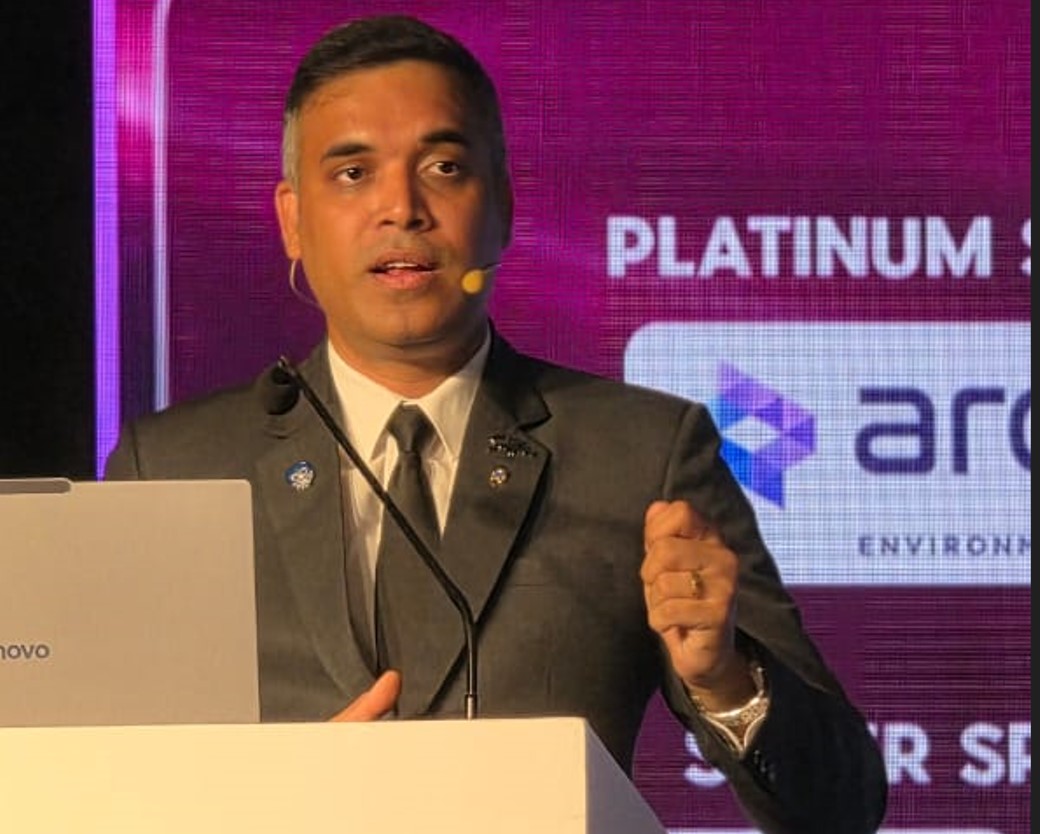 By Sathes Ramachandran, Group CEO, Pesterminators, Agro Services and Fintegic Investment
Pest management is an industry that works quietly behind almost every major sector. We are part of food safety, healthcare, hospitality, manufacturing, pharmaceuticals, logistics, export, public health and residential environments. Most people notice our work only when there is a visible pest problem, but professional pest management starts much earlier.
Changing dynamics of pest management
A pest incident can affect food safety, compliance, customer confidence, product quality, reputation and, in some cases, public health. So our role is much bigger than simply controlling an insect or rodent.
The industry has also changed a lot over the last decade. There was a time when pest control was mainly seen as a treatment service. A technician came to the site, carried out the treatment and left. In many organisations, the discussion stayed at the operational level.
Today, it is different. Pest management professionals are increasingly involved in discussions with facility managers, quality teams, food safety teams, engineering departments and senior management. Clients want to know what was found, why the problem happened, what the risk is, what needs to be corrected and whether the situation is improving.
The recognition of our profession has improved along with this change. The hesitation that may have existed years ago about saying that someone works in pest control is not the same today. In many markets, especially within corporate environments, there is a much better understanding of the importance of pest management. COVID also changed the way people looked at hygiene, public health and environmental health services.
The invisible link between pest management and almost every major industry
But recognition alone is not enough. We also need to understand our own value. Pest management is connected to almost every major industry. Food manufacturers depend on it.
Hotels need it to protect the guest experience. Hospitals and healthcare facilities need it as part of maintaining a safe environment. Pharmaceutical facilities, warehouses, restaurants, exporters, airports, factories and public health programmes all depend on professional pest management in one way or another.
One way I like to explain our profession is by comparing it to a doctor. A doctor looks at the patient, understands the problem and gives the right treatment for internal problem. Pest management professionals do something similar, but we look at the environment around people.
We understand what is creating the problem, what risks are present and what action is needed to protect people, property and the surrounding environment. In that sense, we can look at ourselves as Environmental Doctors. We are not only responding after a problem appears, a large part of our job is prevention.
 That is also why the role of the technician needs to be understood differently. A modern pest management technician does much more than apply a product. The technician observes the site, identifies evidence, understands pest biology and behaviour, recognises conducive conditions, assesses the risk and decides on the right intervention.
Just as importantly, the technician must know when not to treat. Sometimes the right answer may be proofing, sanitation, waste management, drainage correction, monitoring or a change in operational practice. The real skill is not in carrying out a treatment. It is in making the right decision.
For many years, pest management was often measured by activity. How many visits were completed? How many treatments were done? How many traps were checked? But the client does not really need activity. The client needs reduced risk. A hotel wants fewer pest incidents. A food facility wants contamination risk controlled. A hospital wants a safer environment. A manufacturer wants compliance and continuity. When we start showing trends, evidence, corrective actions and risk reduction instead of only reporting that a service was completed, the conversation with the client changes.
The entrenching role of AI in enhancing pest management
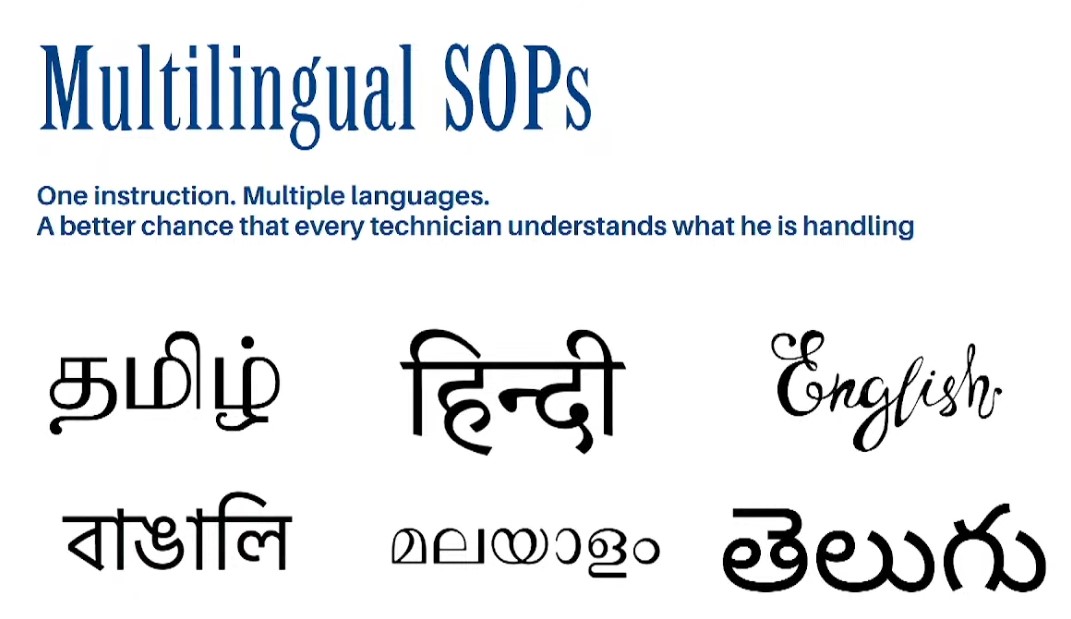
This is where technology and AI can support us. The purpose is not to replace the technician. It is to give the technician better tools. Smart monitoring can improve the way pest activity is detected. Imaging tools can support identification. Service records can be reviewed to find patterns that may not be obvious from one visit. A technician can record a voice note from the site and use it as the starting point for a professional report. Training materials and SOPs can be prepared in different languages. The experience of a senior technician can be recorded and structured so that the knowledge can be passed to the next generation.
 At the same time, we have to be careful with how we use these tools. AI can be confident and still be wrong. A photograph can suggest the wrong species. A system can identify a trend without understanding what has changed at the site. A generated recommendation can sound very professional and still be unsuitable for the situation. So the process should never be AI directly to action. There has to be a trained professional in between. Technology can help with speed and consistency, but judgment remains with the technician.
I see the technician’s new toolkit in five parts. The first is Eye which includes smart monitoring, imaging and better observation. The second is Brain where AI, data analysis and the ability to understand patterns is included. The third is Voice which is the professional reporting, communication and multilingual support. The fourth is Memory that contains service history, trend data and the knowledge built up inside the company. At the centre of all of these is Judgment. That remains with Technician, a human judgement.
This opportunity is not only for large pest management companies. Large organisations may have dedicated technical teams, analysts, reporting departments, training teams and integrated software systems. Small and medium companies may not have the same infrastructure, but they already have many of the things they need, technicians, service records, smartphones, spreadsheets and practical knowledge.
AI does not remove the advantage of scale, but it can reduce part of the capability gap. A smaller company may not have a reporting department, but a technician’s voice note can still become a professional report. It may not have a data analyst, but twelve months of service records can still be reviewed for patterns. It may not have a training department, but the knowledge of an experienced technician can still be captured and used to train others.
The aim is not to use AI to make a smaller company look bigger. It is to use it to make the company better.
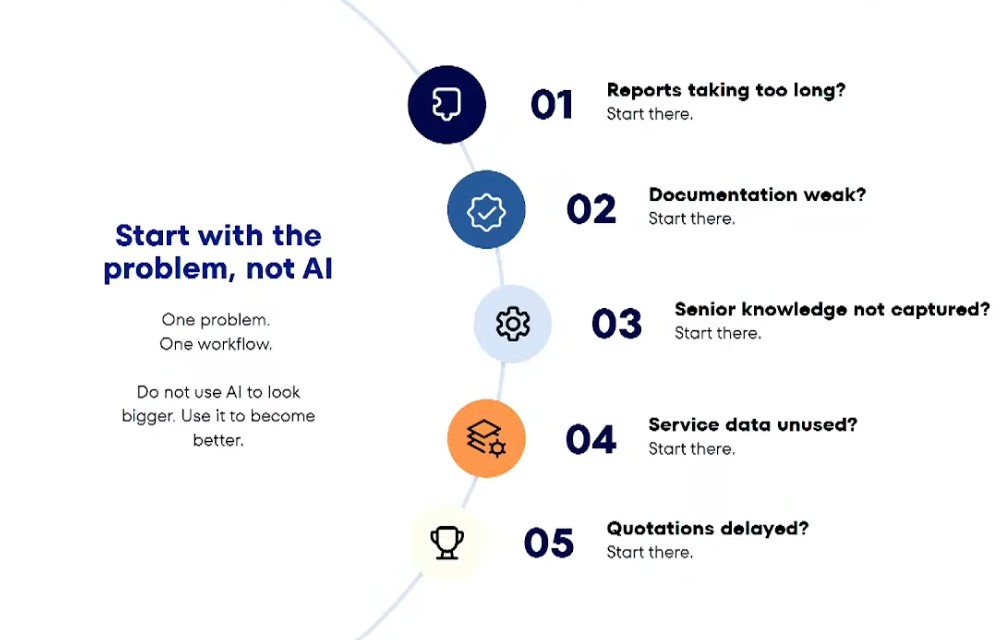
The best place to start is also not with technology. Start with the problem. If reports are taking too long, start there. If quotations are delayed, start there. If valuable knowledge is sitting with one senior technician, start there. If service data is collected every month but never analysed, start there. Solve one problem, test one workflow, see whether it creates value and then move to the next.
The trajectory of the pest management industry over the years
The pest management industry has already come a long way. Recognition is stronger, standards are higher and clients expect much more from us than they did ten years ago. The next stage is about continuing to demonstrate our value through better knowledge, stronger skills, safer working practices, clearer evidence and better decisions.
 The technician of the future should not be defined by the equipment being carried or the number of treatments completed. The technician should be defined by the judgment brought to the site, the ability to understand risk and the confidence to explain the decision.
The tools are changing. The profession is changing with them. But the most important part remains the same, a trained professional who understands the environment, makes the right decision and takes responsibility for that decision.
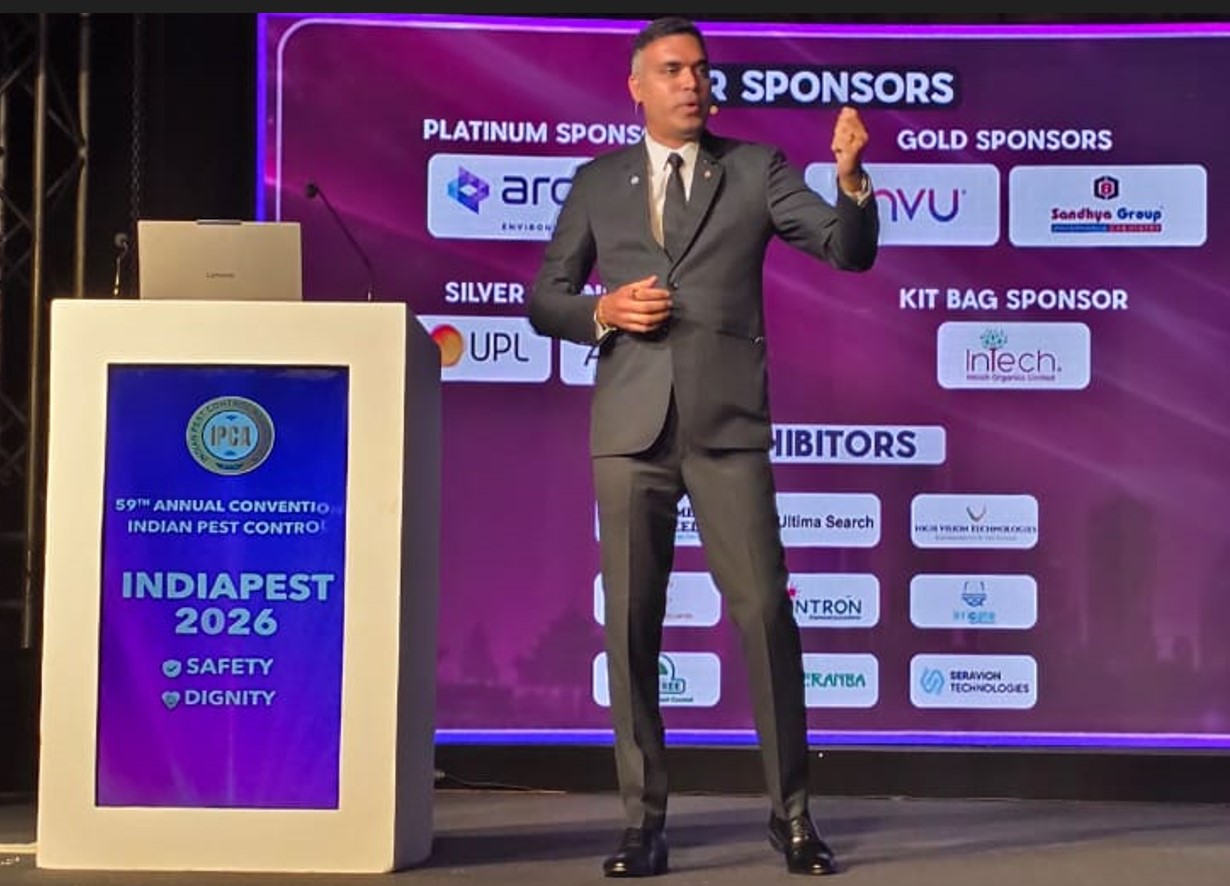
*This presentation was made during INDIAPEST2026, IPCA’s convention held in Chennai during 20-22 August 2026.
About The Author