PM Modi Launches Rs 158 crore Infrastructure Projects at Chennai Port
Chennai:
Port Wings News Network:
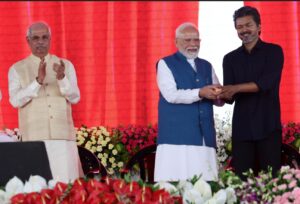
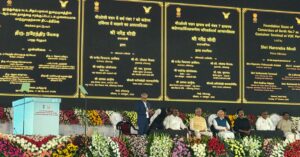
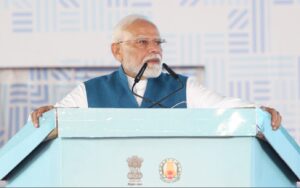
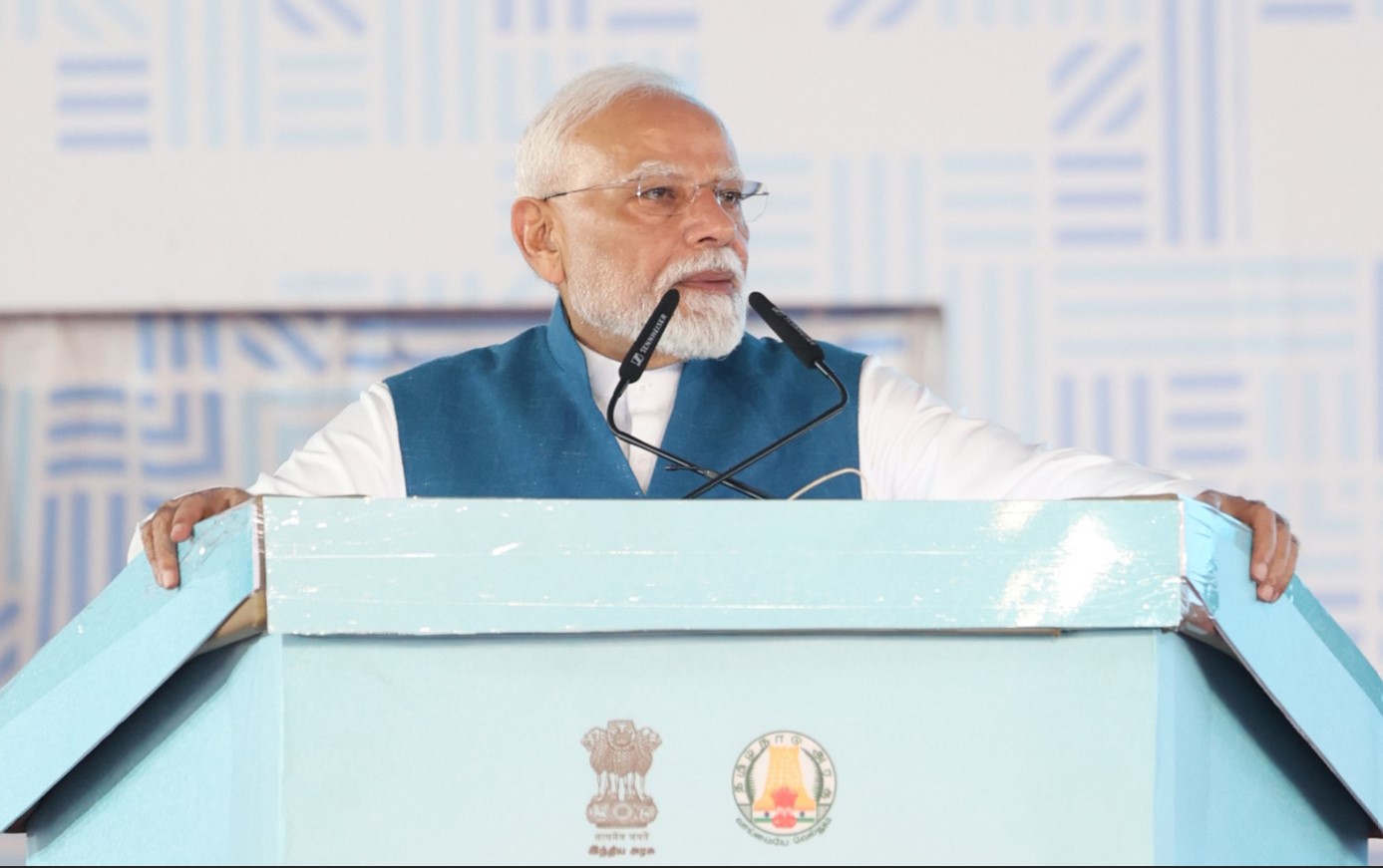 Prime Minister Narendra Modi on 11 October 2026 inaugurated key infrastructure projects at Chennai Port Authority involving a total investment of Rs 158.17 crore.
The projects aim to significantly boost covered and paved storage capacity, enhance the cruise terminal, and improve welfare facilities for seafarers within the harbour area.
The initiatives align with India’s vision of Viksit Bharat 2047 and the Amrit Kaal roadmap, reflecting the government’s continued focus on building modern, efficient and future-ready port infrastructure. They are expected to strengthen storage capacity, improve cruise passenger handling and facilitate smoother trade operations.
Four new EXIM godowns
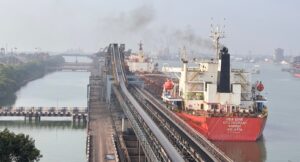
Chennai Port currently has about 55,000 sq m of covered storage space in sheds and warehouses. These facilities handle cargo that requires protection from the elements, including cold-rolled steel coils for automobile manufacturers, jumbo bags of baryte, charcoal, bentonite and cement, as well as maize, fertilisers, rock phosphate, clay, pulses, food grains and containerised cargo de-stuffed at the O-Yard CFS.Faced with a shortage of covered storage, the port has constructed four EXIM godowns, each measuring 4,500 sq m, adding a total of 18,000 sq m of covered space at a cost of Rs 51.81 crore. Completed in September 2026, the new godowns will help retain existing cargo, reduce diversion to other ports, attract new traffic and generate additional revenue.
Paved storage yards
Under the Sagarmala programme, 9.90 hectares of paved storage yards have been developed at the Marshalling Yard area (66,300 sq m) and the Jawahar Dock (East) backup area (32,700 sq m) at a cost of Rs 43.55 crore. Associated works include stormwater drainage, cable chases, electrification, illumination, toilets and drinking-water facilities. Completed in June 2026, the paved yards will improve cargo storage and handling conditions, reduce dust, facilitate surface drainage and support efficient movement of bulk, break-bulk and other EXIM cargo such as steel products, automobiles, project cargo and over-dimensional consignments. The project replaces earlier storage on natural ground.
Upgraded cruise terminal
Improvements to the existing cruise terminal provide dedicated embarkation and disembarkation areas with segregated passenger flows, enabling simultaneous processing and smoother operations. Facilities now include about 28 immigration counters, dedicated customs areas, additional escalators, high-capacity lifts and barrier-free access.
Upgrades also cover baggage scanners, metal detectors, CCTV surveillance, modern HVAC systems, fire-safety infrastructure and electrical installations. Passenger amenities feature renovated toilets, improved interiors, dedicated lounges with Karaikudi-style architectural elements, Wi-Fi-enabled waiting areas, and digital signage and information systems.
These enhancements have doubled the terminal’s passenger handling capacity from 400 to 800 passengers per hour. The works, costing Rs 46 crore, were executed by NBCC on a deposit-work basis under an MoU signed with Chennai Port Authority on 14 March 2024 and completed in June 2026.New Seafarers’ Club
A modern Seafarers’ Club has been developed at a cost of Rs 16.81 crore to offer welfare, recreational and support facilities for visiting seafarers and maritime personnel. Amenities include a spacious waiting lounge, recreational areas, indoor sports facilities (table tennis, billiards and carrom), a gymnasium and sauna, saloon, library, conference hall, shopping area, accommodation rooms, reception, restobar, dining and pantry facilities, modern toilets, passenger lift, Wi-Fi, communication facilities and HVAC systems. The club is designed to provide a comfortable space for rest, recreation, interaction and essential services during seafarers’ stay at the port. NBCC executed the project on a deposit-work basis under the same March 2024 MoU.
Together, these projects strengthen Chennai Port’s role as a key maritime gateway, improve operational efficiency and enhance the experience for both cargo stakeholders and cruise passengers.
About The Author