PM Modi Gives New Momentum to VOC Port With Rs 753.68 Crore Push for Containers, Green Fuels and Logistics
Chennai:
Port Wings News Network:
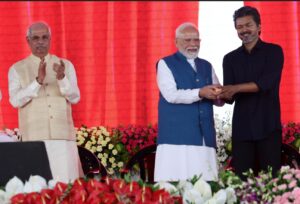
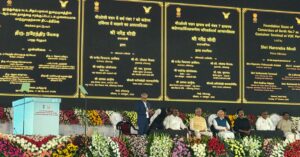
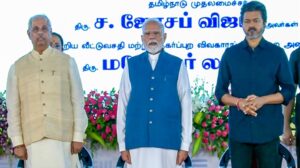
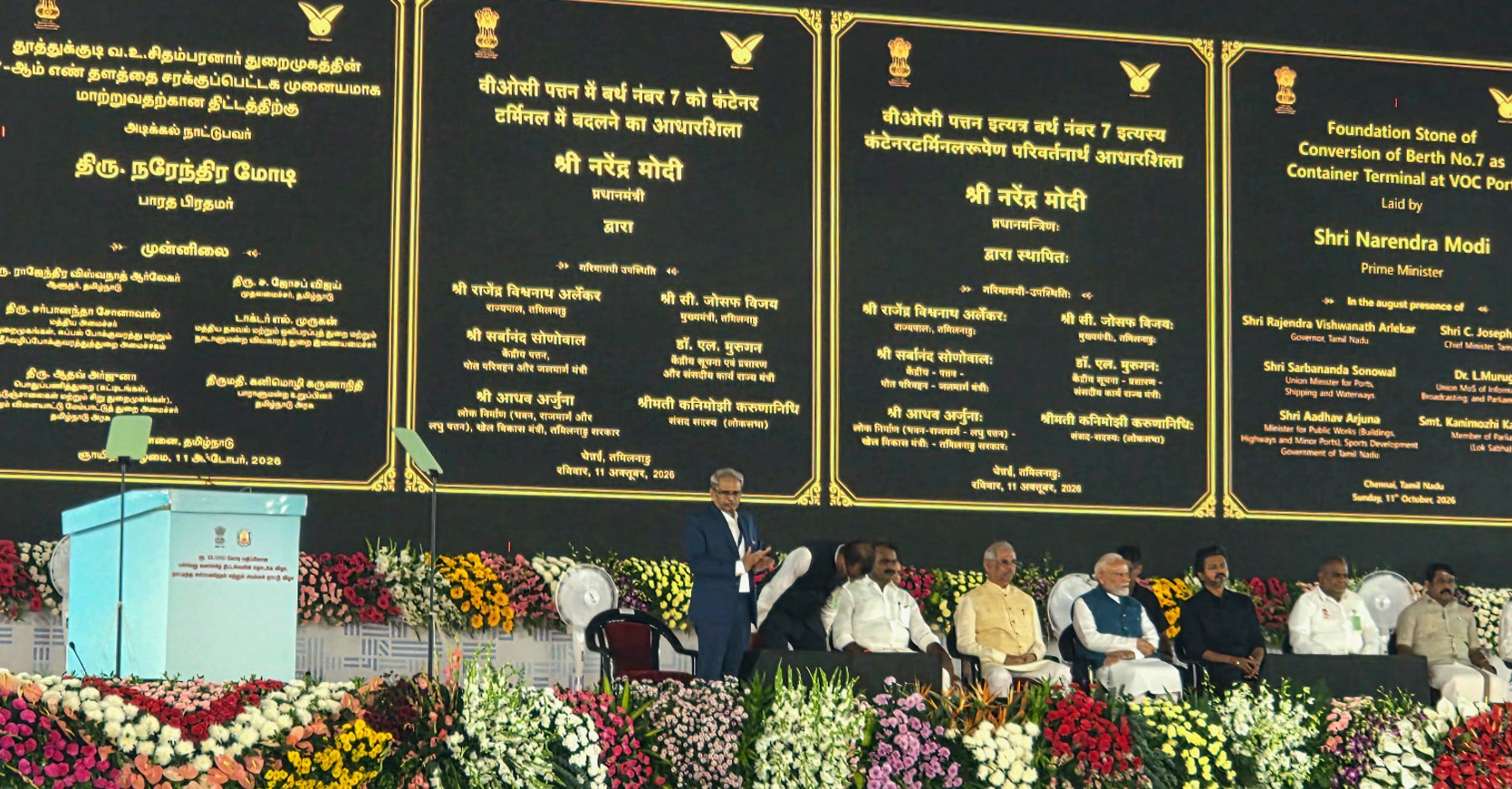 Prime Minister Narendra Modi on 11 October 2026 set in motion the next phase of development at V.O. Chidambaranar Port, inaugurating and laying the foundation stones for eight projects involving a cumulative investment of ₹753.68 crore.
The projects are significant not merely for the scale of investment, but for the direction they give the Port’s growth through greater container capacity, infrastructure for the emerging clean-fuel economy, and stronger landside logistics for faster and more efficient cargo movement.
Together, they strengthen VOC Port’s ability to serve the expanding industrial and trade requirements of southern Tamil Nadu while preparing the Port for the changing demands of global shipping.
Container Expansion at the Centre of the Development Package
The largest investment in the package is the ₹517.19-crore conversion of Berth No. 7 into a Container Terminal, for which the Prime Minister laid the foundation stone.
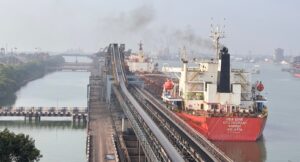
The new terminal will add 4.2 lakh TEUs of annual container-handling capacity, creating a substantial addition to VOC Port’s container infrastructure. With a 370-metre quay, around 10 hectares of backup area, three quay cranes and nine RTGCs, the terminal is being designed for higher-volume and more efficient container operations. The proposed enhancement of draft to 14.20 metres will also facilitate calls by larger mainline container vessels.
The additional capacity is expected to improve shipping connectivity for exporters and importers, reduce dependence on transshipment and strengthen VOC Port’s position as a principal container gateway for southern Tamil Nadu and its wider hinterland.
From Renewable Energy to Green Maritime Fuels
A second defining element of the development package is the creation of infrastructure for the next generation of maritime energy.
The Prime Minister laid the foundation stone for a 3 MW Green Hydrogen Manufacturing and Refuelling Station, being developed at an estimated cost of ₹81.33 crore. The facility will integrate green hydrogen production, storage and refuelling, enabling its use in Port vehicles and creating an operational ecosystem around hydrogen as a clean fuel.
The Prime Minister also inaugurated the Green Methanol Bunkering and Refuelling Facility, developed at a cost of ₹38.12 crore. With two 750 cubic metre storage tanks and an approximately 2.8-km pipeline connecting the facility to the Oil Jetty, the project creates dedicated infrastructure for the handling and bunkering of green methanol at VOC Port.
The significance of these projects extends beyond reducing the Port’s own emissions. Together, the hydrogen and methanol facilities begin building the infrastructure required for VOC Port to participate in the wider transition of shipping towards cleaner fuels.
This transition is being supported by additional renewable-energy capacity. A 2 MW Solar Power Plant, developed at a cost of ₹9.80 crore, was inaugurated as part of the programme. The plant is expected to generate around 3.77 million kWh of renewable electricity annually, strengthening the Port’s renewable-energy base while reducing conventional energy consumption and associated emissions.
The Prime Minister also inaugurated four electric buses, procured at a cost of ₹4.67 crore, further extending clean mobility within the Port ecosystem.
Strengthening the Movement of Cargo Beyond the Berth
Port capacity is effective only when cargo can move efficiently through the wider logistics system. The development package therefore also addresses road connectivity, truck movement and cargo mechanisation.
Prime Minister inaugurated the 3.37-km four-lane road connecting TTPS Roundana and Check Post-2, developed at a cost of ₹47.46 crore. The new rigid-pavement corridor, supported by storm-water drainage infrastructure, will improve cargo evacuation, ease internal traffic movement and enhance road safety. It will also provide stronger connectivity for industries associated with the Coastal Employment Unit.
A new Truck Parking Terminal, being developed at an estimated cost of ₹47.40 crore, will further improve the organisation of freight movement around the Port. Spread over 52,598 square metres with capacity for approximately 230 cargo trucks, the terminal is designed to reduce roadside parking, queuing and congestion while creating a more orderly and efficient interface between trucks and Port operations.
The development package also includes three mechanised bagging machines with silos and conveyors, involving an investment of ₹7.71 crore, strengthening fertiliser handling through greater mechanisation, improved efficiency and reduced manual intervention.
A More Capable, Cleaner and Better-Connected Port
The eight projects collectively address different parts of the same maritime value chain. The container terminal expands the Port’s commercial capacity. The green hydrogen and green methanol facilities prepare it for the evolving energy requirements of maritime transport. Solar power and electric mobility reduce the environmental footprint of Port operations. Road, truck-parking and mechanisation projects improve the speed and efficiency with which cargo moves through the system.
Taken together, the investments strengthen VOC Port not as a collection of individual infrastructure projects, but as an integrated maritime and logistics platform capable of supporting the next phase of industrial, trade and economic growth in the region.
Prime Minister’s Remarks
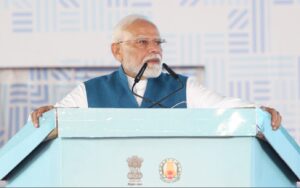
The Prime Minister said that India is giving greater importance to the shipping sector and that Tamil Nadu has a major role to play in the country’s maritime development. Referring to an investment of approximately ₹17,000 crore by the Union Government, he said that VOC Port at Thoothukudi is being developed into a world-class mega container port and green energy hub. Upon completion of the project, the Port would be able to receive ultra-large container vessels, helping Tamil Nadu develop into a global hub for industry and transportation.
The Prime Minister also highlighted improvements in the speed and efficiency of Indian ports in recent years. He observed that vessel turnaround times had been halved, enabling faster movement of goods across the world while saving both time and money.
About The Author