No Nation Can Emerge as a Major Power Without Strong Maritime Capabilities: PM Modi
Kolkata:
Port Wings News Network:
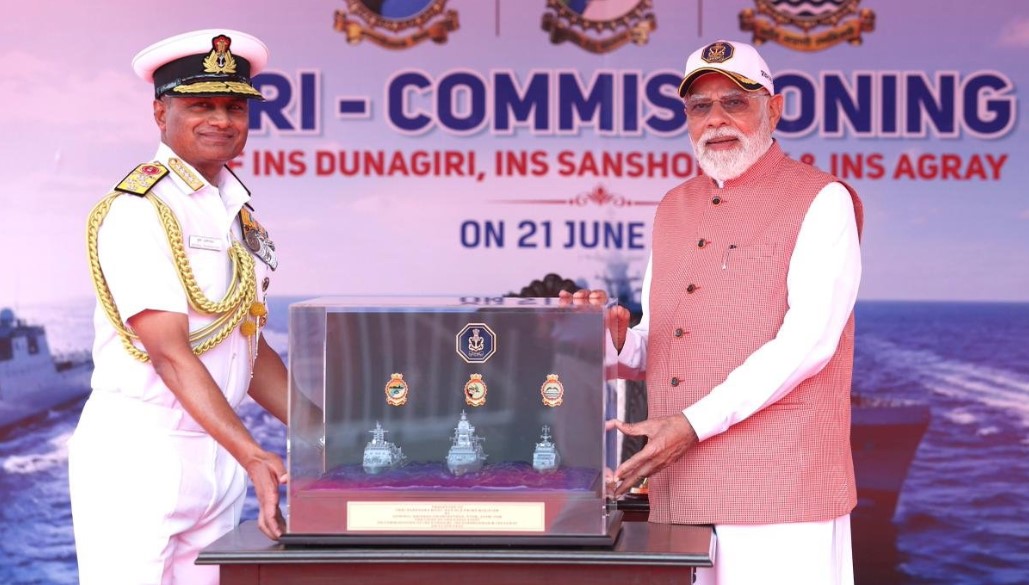 No nation can emerge as a major power without strong maritime capabilities, Prime Minister Narendra Modi has said.
Addressing the gathering during the commissioning of three indigenously designed and built naval ships – INS Dunagiri, an advanced stealth frigate, INS Sanshodhak, a survey vessel (large) and INS Agray, an anti-submarine warfare shallow water craft, at Syama Prasad Mookerjee Port, Kolkata, West Bengal, on 21 June 2026, Modi said: “Development, security and prosperity are closely linked to the oceans. Most of the world’s trade moves through sea routes, while vast global data networks operate beneath the oceans.”
“NATION’S ECONOMIC AND STRATEGIC INFLUENCE IS DIRECTLY LINKED TO THE STRENGTH OF ITS MARITIME SECTOR”
Modi further noted that critical minerals, deep-sea resources and future sources of energy will increasingly be connected to the maritime domain. Therefore, he said, a nation’s economic and strategic influence is directly linked to the strength of its maritime sector.
These inductions will significantly bolster the nation’s operational capabilities, enhance maritime domain awareness, and strengthen the security of our coastal waters against geopolitical threats.
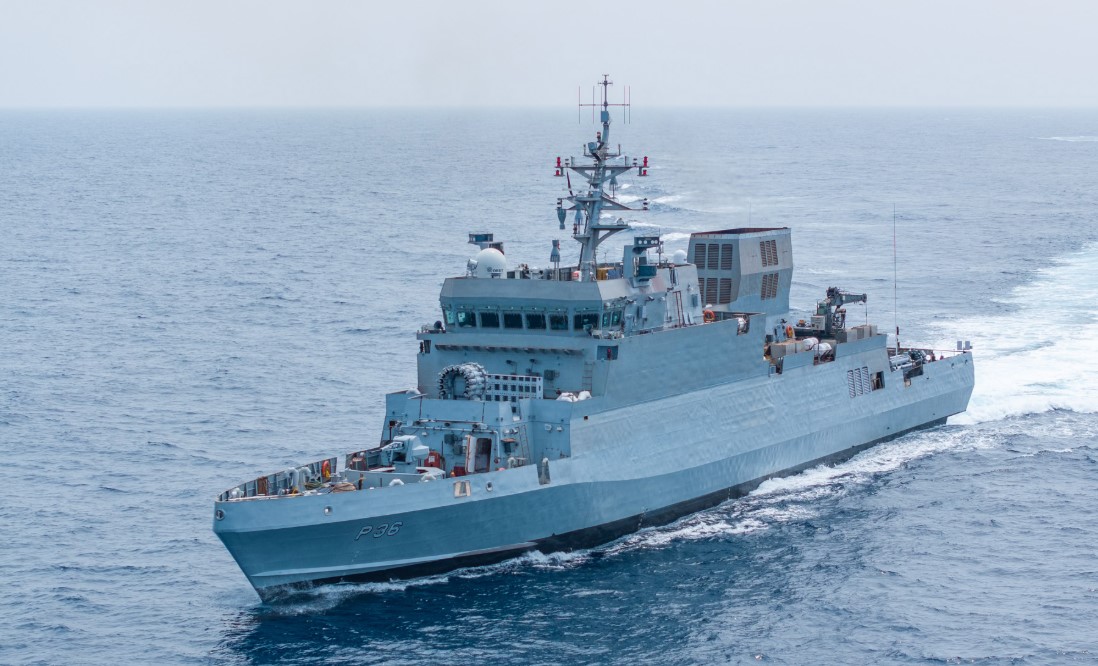 All three ships were designed by the Indian Navy’s Warship Design Bureau and constructed in Kolkata by Garden Reach Shipbuilders & Engineers (GRSE), with extensive participation by Indian industry, including more than 200 MSMEs. With an indigenous content of over 75 percent, these ships are also a testament to India’s commitment to Aatmanirbharta.
In his address, the Prime Minister noted that the occasion coincides with the International Day of Yoga being celebrated across the world and expressed happiness at having the opportunity to visit the historic land of Bengal, which has played a pivotal role in shaping India’s intellectual, cultural and national renaissance and has connected India with the world through maritime routes for centuries.
Congratulating the Indian Navy, scientists, engineers, workers and all citizens of the country, Modi said the achievement reflected India’s growing technological and maritime capabilities.
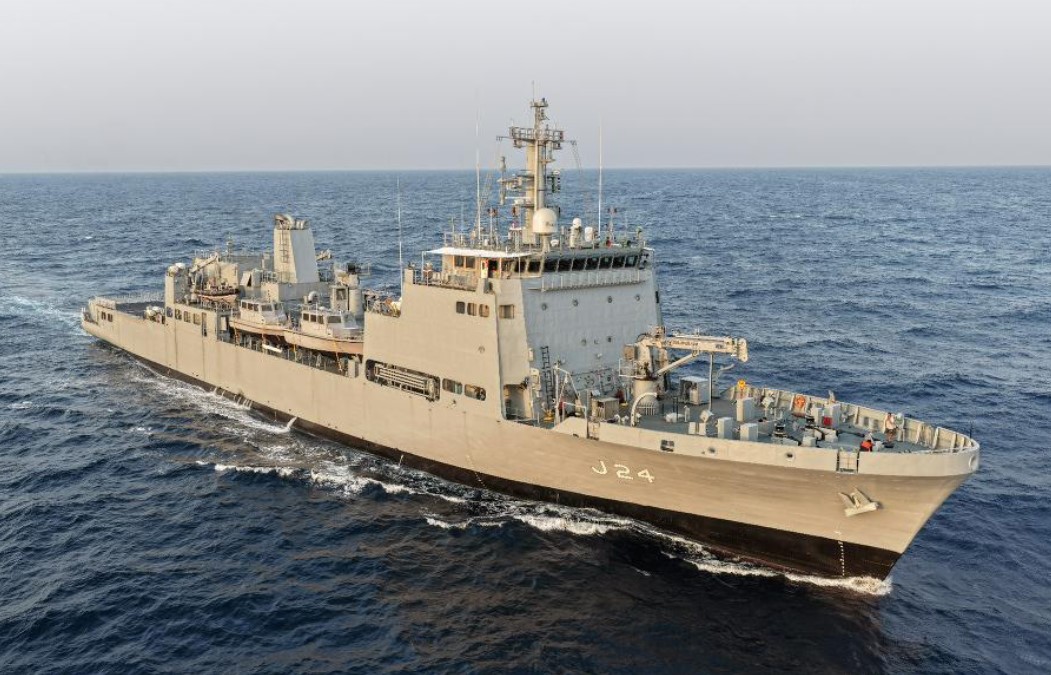 Modi stated: “The commissioning of the three naval platforms stands as testimony to the country’s growing capabilities and skills.”
Recalling the commissioning of INS Vikrant, he said that it had marked the beginning of a new chapter in India’s maritime journey and announced India’s growing naval strength to the world.
He noted that the journey from INS Vikrant to the commissioning of INS Agray, INS Dunagiri and INS Sanshodhak is not merely a story of new warships but also a reflection of India’s increasing self-reliance. “All three vessels symbolize India’s commitment to indigenous design, manufacturing and innovation. Designed and built in India, the vessels showcase the talent of Indian industries, the expertise of Indian engineers and the hard work of Indian workers”, Shri Modi underscored.
Highlighting recent achievements, the Prime Minister noted that more than 40 indigenously built warships and submarines have been inducted into the Indian Navy over the past few years. He remarked that nearly every few weeks the Navy has received a new capability, while 45 major naval platforms are currently under construction. These figures, he said, are not merely statistics but indicators of India’s industrial capacity and future potential.
“TIME HAS COME FOR INDIA TO ENTER THE NEXT PHASE OF MARITIME DEVELOPMENT”
Underlining the immense employment-generating potential of the maritime sector, Modi said, “The Government views the maritime sector not as an isolated industry but as a major engine of employment and economic growth for a developed India. A modern ship requires large quantities of steel, electronics, machinery and thousands of components, creating opportunities across extensive industrial supply chains.”
Modi stated that the time has come for India to enter the next phase of maritime development, and the Government has adopted a new vision for the shipbuilding sector and has introduced several policy reforms in recent years to enhance domestic manufacturing capabilities.
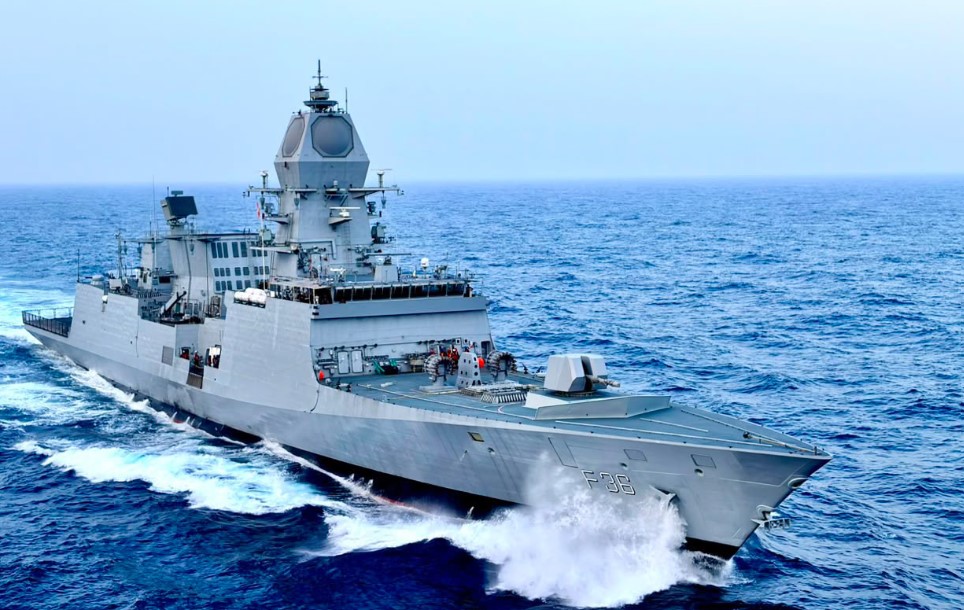 “The ₹70,000 crore incentive package announced for the shipping sector is not merely an economic measure but an investment in India’s maritime future and industrial expansion. Initiatives such as Sagarmala reflect this comprehensive vision and are helping reduce logistics costs, accelerate industrial growth and create new opportunities in coastal regions” he stated.
He also noted that the port bears the name of Dr. Syama Prasad Mookerjee, the son of Bengal and India’s first Minister for Industry, making the occasion even more significant. “West Bengal is poised to become a major hub for India’s Blue Economy, maritime manufacturing, logistics and coastal development in the years ahead”, Modi stated.
About The Author