Indian Seafood Industry Cries Foul Over US Shrimp Row, Fears Hit To Exports
Chennai:
Port Wings News Network:
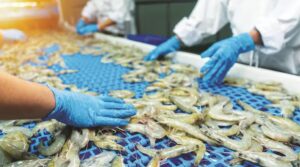
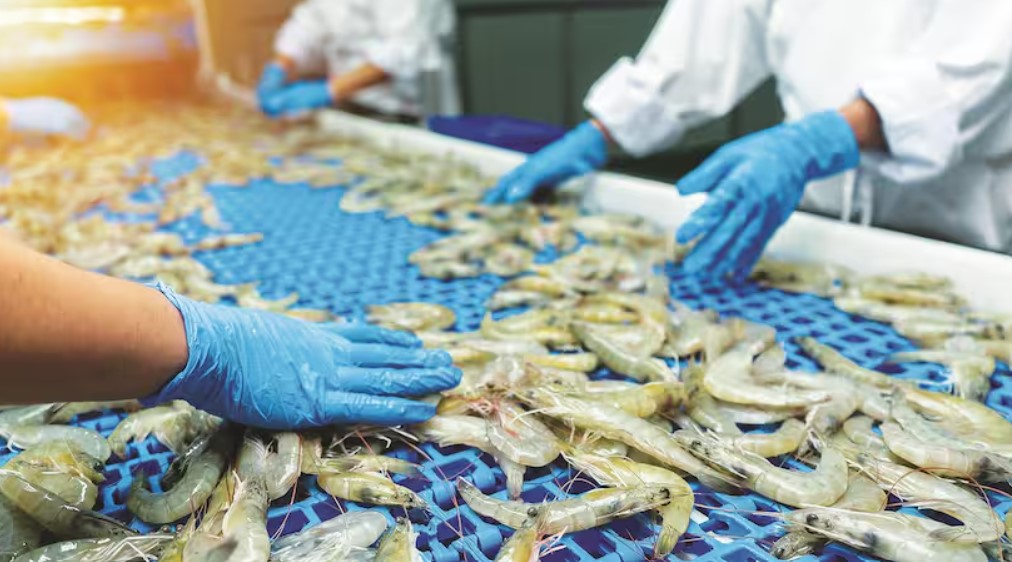 A complaint by an American shrimp producers’ lobby asking federal trade regulators to block imports from a major Indian seafood producer, accusing it of using forced labour to undercut domestic competitors, may cast a shadow on around 35 per cent of India’s total marine exports to the US, trade and industry experts said, a report by leading daily Business Standard says.
The Indian industry alleged that the move was a calculated effort to tarnish the industry’s image and market growth.
A few days ago, a complaint was filed against Indian seafood exporter Nekkanti Sea Foods by the Southern Shrimp Alliance (SSA), alleging that it was using exploitative labour practices to reduce production costs, allowing its shrimp to compete with domestic producers.
The SSA represents domestic shrimp fishermen and processors across eight states, including Louisiana.
When contacted, a source at Nekkanti said the company was following all norms and regulations, and that this seemed to be a move targeted at all Indian seafood exporters.
“The Southern Shrimp Alliance is trying its best to tarnish the image of Indian exporters in the US market. They have taken up various cases and made allegations without proper background, approaching the US International Trade Commission (ITC) or the Department of Commerce (DOC) to seek action,” said Pawan Kumar, president of the Seafood Exporters Association of India (SEAI).
Devi Seafoods, Sandhya Aqua and Nekkanti are top exporters of shrimp from India, clocking annual exports of around ₹1,500 crore each, industry sources said.
The allegation by the US producers’ lobby is under Section 337, which refers to a forced labour issue.
The SSA alleged that Nekkanti uses forced labour, allowing Indian exporters to produce seafood at lower prices and dump it in the US market.
A source at Nekkanti told Business Standard that the company was facing a labour shortage and that no forced labour was taking place.
“There is a labour shortage at the grassroots level. Our labour laws are very strict,” the source said, while declining to comment on the case. India exported around 1.97 million tonnes of seafood valued at ₹73,890.46 crore ($8.46 billion) during the financial year 2025-26, an all-time high in both volume and value despite global challenges. Frozen shrimp remained the leading product in seafood exports, generating ₹49,037.93 crore ($5.62 billion), accounting for 40.19 per cent of the total quantity and 66.52 per cent of total US dollar earnings from seafood exports.
“All Indian factories exporting to the US, Europe and other major markets undergo very stringent audits, including social audits and factory audits. We have to display or produce all the documentation required to demonstrate social compliance,” Kumar said.
The case is based on a report by Corporate Accountability Lab, a non-profit organisation serving as co-counsel for the shrimpers. Its 2024 report cited labour practices in India’s shrimp industry, such as debt bondage, recruitment fees, withheld wages and severe restrictions on workers’ movements.
“When we supply to companies such as Walmart, Kroger, Safeway, Cisco and Costco, they have their own certification bodies that inspect factories and examine social compliance,” Kumar added.
“The scrutiny goes to the extent of checking individual employees. If I provide a list of workers with their details, including provident fund (PF) and Employees’ State Insurance (ESI) records, auditors may randomly call 10 employees and verify the details with them. That is the level of compliance factories have to undergo,” he said.
When asked about movement restrictions for labourers, the industry body blamed cultural differences.
“Around 70 per cent of our workforce comprises women. In India, we are very careful about the safety of women workers. We advise them not to leave factory premises after dark because many facilities are located in remote areas. During the daytime, they are free to go out if they wish,” he said.
“We have separate accommodation for men and women, with security arrangements to ensure that men do not enter the women’s residential quarters or their immediate surroundings. This is similar to the separate hostels for men and women that we see in educational institutions. Does that mean people are being subjected to forced restrictions? It does not.”
About The Author